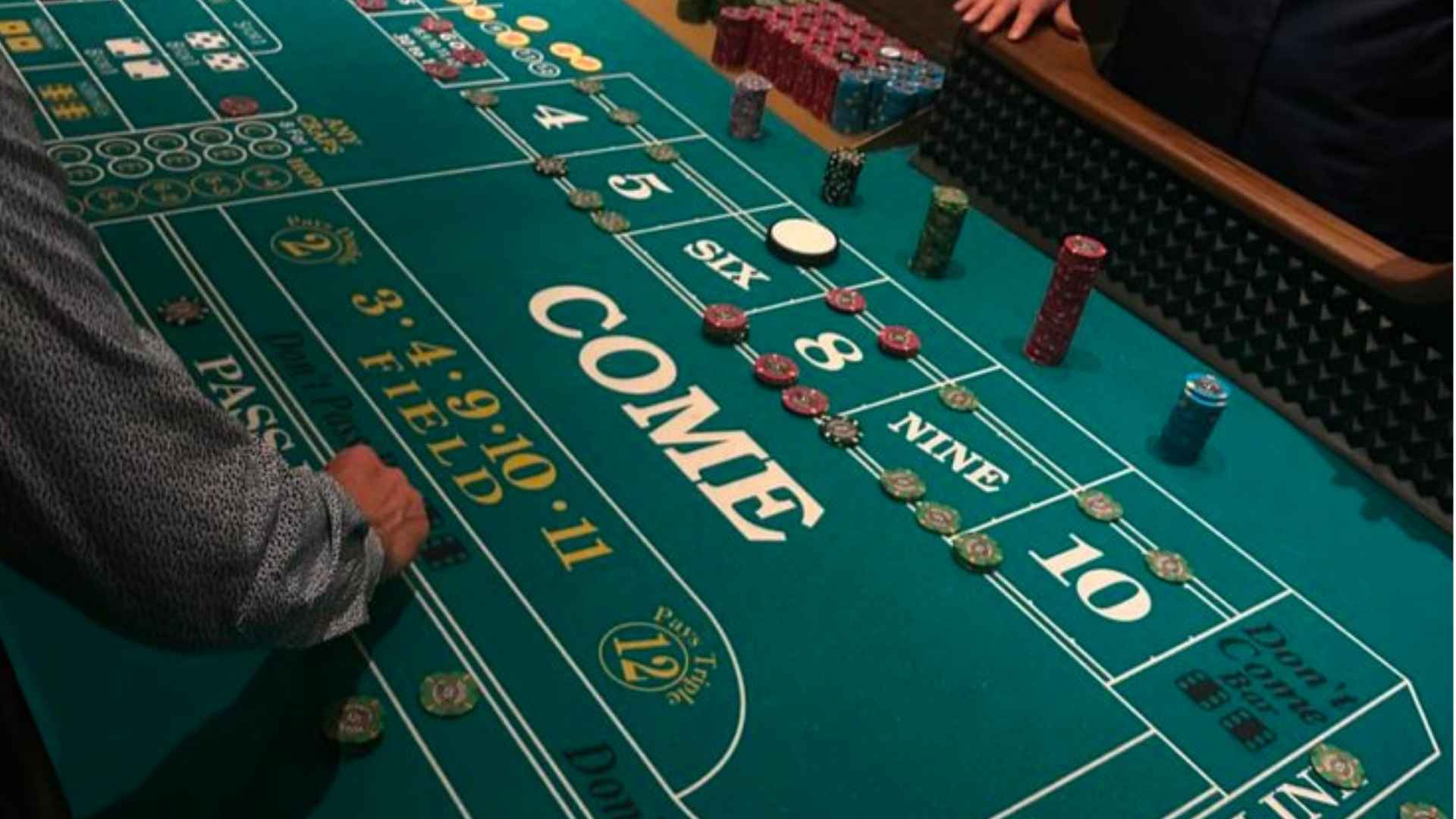
Walking into a competitive card room or joining a digital table immediately introduces players to a highly specialized social environment. Before any chips are formally risked, a baseline of mutual comprehension establishes how everyone will interact throughout the entire session. Fostering this environment ensures that tactical battles remain orderly, fair, and deeply strategic for all participants.
Establishing the Foundational Rules of Engagement
Every successful poker game relies on a collective agreement regarding standard mechanics, betting structures, and table boundaries. Players must clear up any structural confusion regarding blind escalations, betting limits, and dealing rotations before the first hand begins. This initial transparency minimizes future friction and allows everyone to focus entirely on their strategic execution.
When participants enter the game with identical expectations, it eliminates unnecessary disputes that disrupt the psychological flow of the table. A unified understanding of standard card room procedures builds essential trust between competitors who may have never met before. Ultimately, a clean operational framework allows genuine skill and calculated strategy to decide the final winner.
The Language of Verbal and Non-Verbal Communication
Beyond the formal rulebook, competitive card games feature an intricate system of subtle vocal declarations and physical gestures. Seasoned players understand that announcing actions clearly prevents misinterpretations that could prove incredibly costly during high-stakes moments. Consistent declaration patterns ensure that everyone at the felt can accurately track the shifting dynamics of the central pot.
For those looking to transition their observation skills online, finding a structured digital environment provides a reliable space to study these competitive habits safely. Utilizing a dependable option like login situs m88 can help enthusiasts practice analyzing card patterns and pacing variations efficiently. Building familiarity with these operational rhythms is an essential step toward developing long-term confidence under pressure.
Respecting Table Etiquette and Social Dynamics
A significant portion of a successful session depends heavily on how well players respect standard behavioral norms and unwritten guidelines. Avoiding actions that slow down the pace, such as deliberate stalling or acting out of turn, demonstrates respect for the strategy of others. Maintaining a balanced environment ensures the game remains mentally engaging and enjoyable for everyone involved.
When individuals prioritize collective respect, it prevents emotional volatility from overtaking tactical logic during intense downswings. Competitors who understand their role within the broader group dynamic tend to make much more rational decisions under pressure. Nurturing this level of psychological awareness transforms a simple game of chance into a highly sophisticated mental sport.
The Role of Continuous Learning and Observation
Achieving true proficiency at the card table requires a commitment to observing your opponents and adjusting to their unique habits. Every hand played offers a wealth of data regarding how different individuals respond to risk, deception, and changing board textures. Active listening and sharp observation allow you to decode the subtle strategic choices being made around you.
As the session progresses, this deep awareness helps you predict future moves and capitalize on predictable patterns. Players who continuously refine their reading abilities find themselves better equipped to handle diverse styles of play. In the end, dedication to learning ensures that your strategic approach remains adaptable in any competitive setting.